
A practical guide to outdoor catering equipment hire
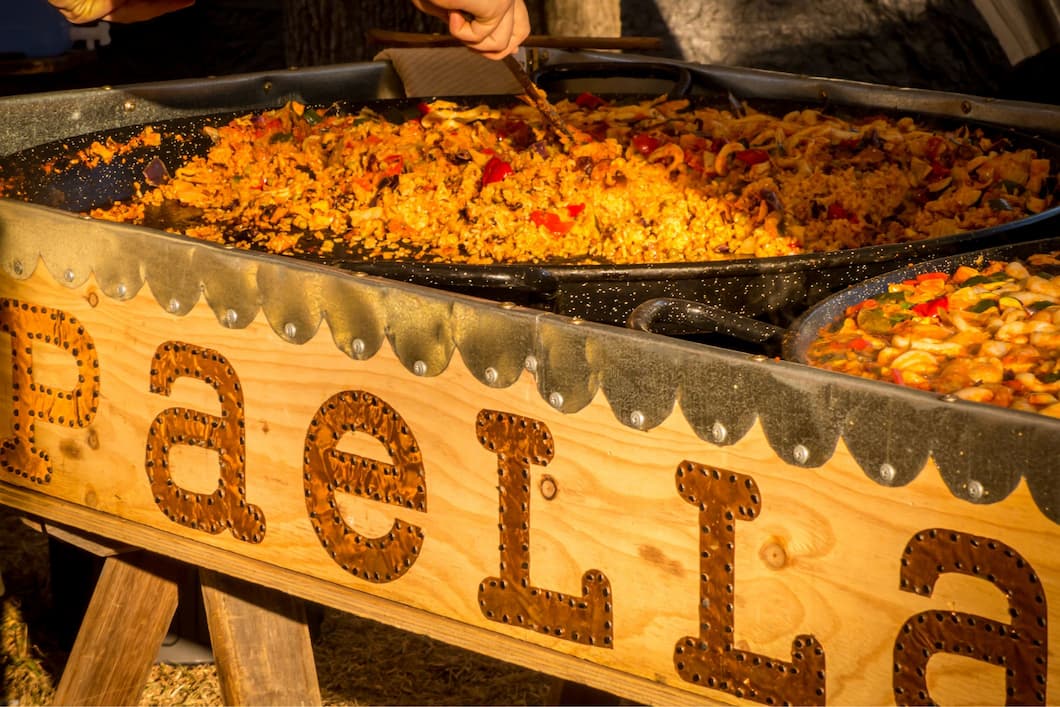
There’s nothing quite like planning an outdoor event.
A wedding in a marquee. A summer party in the garden. Drinks on a terrace. A celebration that spills out into the open space and feels a little more relaxed because of it. When it works, it feels effortless.
Behind the scenes, though, that sense of ease usually comes from a lot of careful planning, particularly when food is involved. Getting your outdoor catering equipment hire right helps everything run more smoothly, giving the catering team what they need to prepare, cook and serve without unnecessary stress.
Start with the right foundations
One of the most common misconceptions is thinking in terms of individual items rather than the overall setup. It’s easy to assume you’ll need:
- A BBQ
- An oven
- A few prep bits
- Plates, glassware and cutlery
And while those things may well be part of it, they’re rarely enough on their own. In reality, most outdoor events require a temporary kitchen. Something that allows food to be prepared, cooked, stored, and served properly. Once you approach it with that mindset, the rest starts to make sense.
What does that actually involve?
The exact equipment depends on your guest numbers and menu, but most outdoor setups include:
- Ovens
- Hot cupboards or warmers
- Fridges
- Prep tables
- Service counters
If drinks are involved, you may also need bottle fridges, coffee percolators, or water boilers.
The simplest way to get it right is to speak to whoever is responsible for the food. A quick conversation about how many hobs are needed, how much is being cooked on site, and where the busy points will be usually answers most questions.
It’s much easier to plan properly at the start than try to add equipment at the last minute.
Why reliable equipment hire matters
Outdoor events already have enough variables, particularly in the UK. The equipment itself shouldn’t be another one.
When arranging outdoor catering equipment hire, it’s important to choose a supplier that prepares and maintains its kit properly. Electrical equipment should be cleaned, checked, and PAT tested. Gas equipment should be tested and compliant.
SafeHire© certification is the industry benchmark for safety and quality, and it’s always worth looking for. It gives reassurance that systems, training and standards are in place behind the scenes. In simple terms, it shows you’re hiring from a company that takes the job seriously.
Planning an outdoor catering setup
The catering setup also sits within the wider look and feel of the event. Furniture, layout and finishing touches all play a part. Outdoor-ready tables and chairs, linen, service areas, and even small details like rope dividers can help turn an open space into something that feels organised and welcoming.
A supplier with a wide range of outdoor catering equipment makes this much easier. When everything can be planned together, it avoids the need to piece things together from different suppliers and helps the whole setup work more smoothly.
What equipment do you need for outdoor catering?
There is no single list that works for every outdoor event, but most catering teams will need equipment across three main areas: cooking, refrigeration, and preparation or service.
The exact setup will depend on the menu, the number of guests, the venue, and how much food is being cooked on site. A simple BBQ in a garden will need a very different arrangement to a marquee wedding with several courses. The important thing is to think through the full service, rather than just the individual items.
Cooking equipment
Cooking equipment is often one of the most important parts of an outdoor catering setup. Depending on the event, this might include ovens, hobs, BBQs, griddles, hot cupboards, water boilers, or coffee percolators.
The main question is what the caterer needs the equipment to do. Is food being cooked from scratch, finished on site, or simply kept warm before service? Will the BBQ be the main focus, or does it need to sit alongside oven hire and hot holding equipment? Once those details are clear, it becomes much easier to choose the right setup.
Refrigeration and storage
Refrigeration is easy to underestimate, particularly at outdoor events. Food and drinks still need to be stored properly, even if the event is taking place in a garden, field, marquee, or courtyard.
Fridges, freezers, and bottle fridges can all play a part, depending on the menu and drinks service. Fresh ingredients, prepared dishes, desserts, dairy products, and chilled drinks all need somewhere reliable to go before they are needed.
It is one of those areas that guests rarely notice when it works well, but everyone notices quickly if it has not been planned properly.
Preparation and service
Preparation and service equipment help everything run smoothly once the event is underway. Prep tables, work surfaces, service counters, trays, serving equipment, crockery, cutlery, glassware, and linen all have a role to play.
This is where the temporary kitchen connects with the guest experience. Behind the scenes, the catering team needs enough space to work calmly. In front of guests, the tables, glassware, and service areas need to feel considered and ready.
Good outdoor catering equipment hire brings both sides together. It gives the caterer what they need to do the job properly, while helping the event feel organised, polished, and relaxed.
Delivery, power, and the practical details
There are a few practical points that are easy to overlook. Delivery times should always be confirmed clearly. Equipment needs to be in place with enough time for setup before service begins.
Power is another key consideration. Ovens, fridges, hot cupboards and lighting all require a reliable supply. Generators make this straightforward, but they need to be sized correctly for the equipment being used.
And finally, think about the end of the event. Waste, washing up and collection should all be planned so you’re not left dealing with it when everyone else has gone home.
Why quality equipment makes a difference
Well-organised outdoor catering doesn’t draw attention to itself. Food arrives on time. Drinks stay cold. Service feels calm.
That usually comes down to having the right equipment in place and working with a hire company that understands how outdoor events operate. Good outdoor catering equipment hire isn’t about hiring a list of terms. It’s about creating a setup that works from start to finish.
If you’re planning an upcoming event and looking at outdoor catering equipment hire, a short conversation early on can save a great deal of hassle later.
Outdoor catering equipment hire with Plato Catering Hire
For outdoor events, the small details matter. Equipment needs to arrive when expected, in the right quantities, clean, checked, and ready to use. There is very little room for last-minute surprises when a caterer is setting up in a marquee, garden, courtyard, or field.
That is where our experience makes a real difference. Based in Warwickshire, Plato has supported weddings, private parties, corporate events, formal dinners, and large-scale celebrations across the West Midlands, the Cotswolds, and surrounding areas for more than 25 years. The team understands what is needed behind the scenes to keep an event running smoothly, from the kitchen setup to the final table setting.
We supply a wide range of catering and event equipment, including kitchen hire, oven hire, BBQ hire, refrigeration, crockery, cutlery, glassware, linen, furniture, and service equipment. This makes it easier to plan the practical catering requirements and the guest-facing details together, rather than piecing everything together from several different suppliers.
We are also SafeHire© certified, which gives reassurance that safety, quality, training, and service standards are taken seriously. Equipment is prepared carefully before hire, with electrical and gas items checked before going out.
If you are planning an outdoor event and need catering equipment hire, get in touch with us to discuss outdoor catering equipment hire. A short conversation about guest numbers, menu, location, timings, and access can help shape the right hire list and avoid unnecessary pressure closer to the day.


